

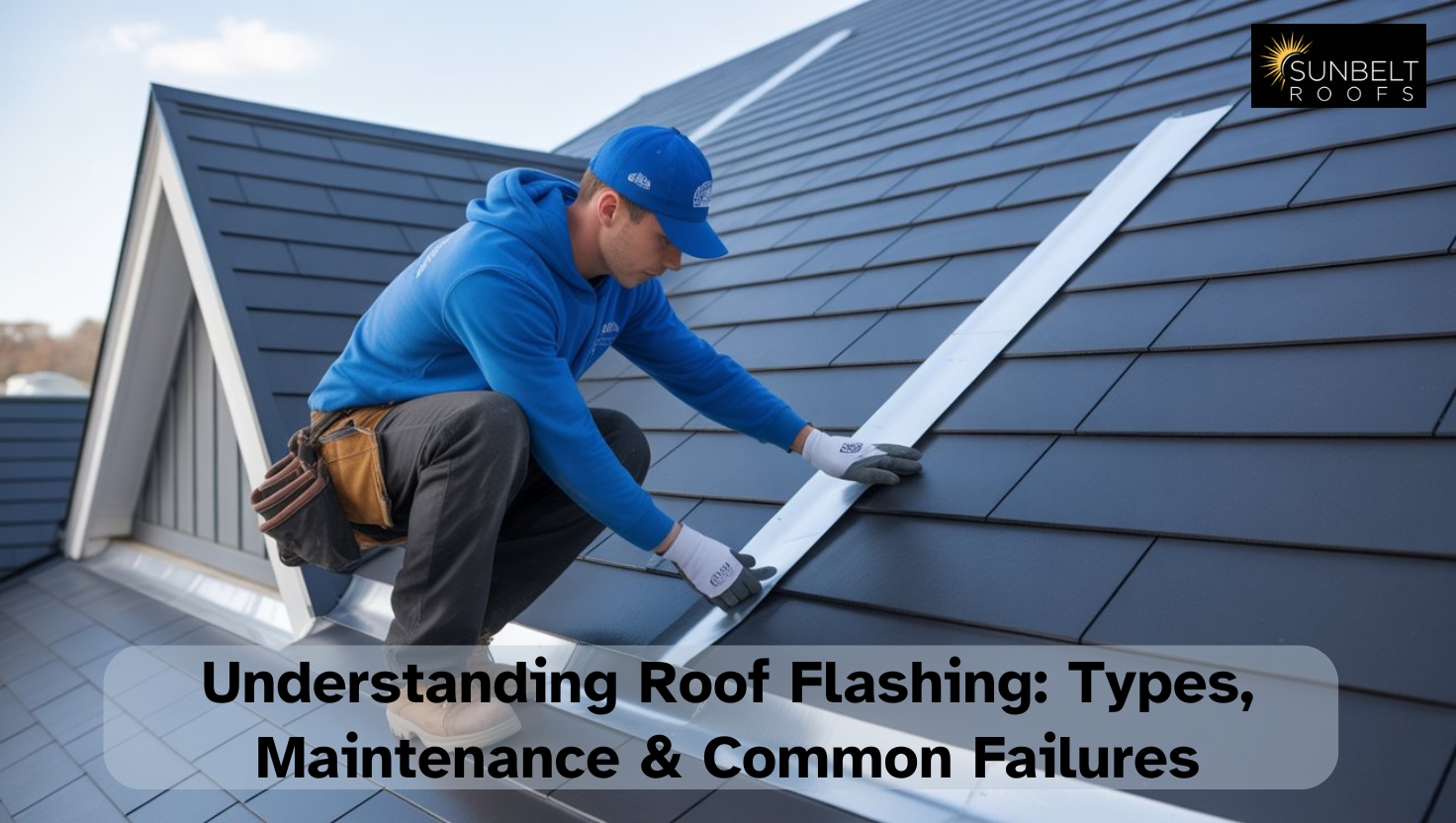
What is Roof Flashing and Why is it Important
Roof Flashing is of great importance when trying to create a leak-proof roofing system: it is a sheet of thin metal or waterproof material that diverts water from the areas and protects the roof from water damage. Roof Flashing Systems, for example, build a watertight seal on the roof where it meets the walls, valleys, or skylights. It protects the roofing structure and the insides of the building from rot and leakage.
What is the Purpose and Function of Roof Flashing?
Water is the most destructive element to a building structure. Roof flashing helps keep it outside the structure when it is most needed. Roof flashings are designed to go under shingles and tiles and are layered in a way that water is deflected down and off the roof.
Proper installation is key. A poorly installed flashing roof can compromise the entire roofing system, which may require expensive repairs or replacement down the line. The installation quality defines the durability, effectiveness, and functioning of the roof flash during torrential rains.
Common Roof Flashing Types
Different types of roofing structures require different types of flashings. The most common roof flash types are:
- Step Flashing: Used along the roof’s perimeters where the roof meets walls or dormers.
- Valley Flashing: Used in roof valleys to direct and dispose of water.
- Drip Edge Flashing: Flashing at the edge of the roof to prevent moisture damage.
- Continuous (Apron) Flashing: Joint flashing of the vertical wall and the sloped roof.
- Base and Counter Flashing: Flashing around the base of the chimney to prevent.
All these roof flashing types work in unison to maintain the roofing system in a secure and waterproof condition. The site and contour of the roof are fundamental in mesh design selection to achieve ideal performance.
Selecting the Best Roof Flashing Metal
Balance between functionality, durability, and attractiveness. For contractors and building owners, the most popular types are
- Aluminum: It is a popular roofing material since it is light and cheap, although it may corrode in the long term.
- Copper: More expensive than others, yet it guarantees aesthetic and stylish charm.
- Galvanized Steel: One of the cheapest materials, yet they do the job.
- Lead or Zinc: Tough and resilient materials, hard to perish over time.
Meeting the right type of roof flashing metal will ensure the ability to endure rust and heavy weather conditions. It will also indicate how often maintenance or replacements would have to be made. Exploring Strong and Stylish Roofing can offer valuable insights into materials that enhance protection while complementing the home’s design.
Signs That Roof Flashing Needs Repair—Early Warning Indicators
Frameworks of roof flashing, no matter how sturdy, will eventually weather and come to need some mending. Watch out for these indicators to select the type of mending that will be the most useful to you.
- Bleeding or dripping metal
- Ceiling and wall brown stains
- Weak shanks, gone, or have gaps in the shingles at the nailing points
- Chasms or spaces near chimneys and vent portholes
- Yellowing of the spaces within the roof
All of these are indicators of stale water or moisture and need to be fixed within a very short time period.
Maintenance Tips for Long-Lasting Flashing—Keep Your Roof Flashing in Top Shape
Roof flashing is the most complex and requires the most upkeep of all roofing materials. Scheduling time to take care of any minor changes and take notice of the very small details will help repair the roof in time and save money.
The following will help save and maintain the material for a longer period of time:
- Always check roof edges for the collection of dirt or other minimal materials.
- Seal missing areas with appropriate waterproofing glue.
- Replace corroded nails or tighten loose fasteners.
- Annual professional inspections are necessary.
As long as routine maintenance and professional flashing repair are done, the roofing system will hold up and remain weatherproof the entire year.
Most Common Reasons for Roof Flashing Failures and Their Causes
Reasons for Failure of Flashing Systems
Most flashing issues stem from improper flashing roof install techniques or poor-quality materials. Common reasons include:
- Insufficient overlap or poor positioning during installation
- Neglecting regular inspections and maintenance
- Expansion and contraction of the roof flashing metal due to shifting temperatures
- Incompatible materials or sealants
Water still breaches the roof flashing and can cause significant damage to the interior of the structure. These issues can be resolved, but require the help of qualified contractors to avoid more severe issues in the structure.
Flashing Repair: A Step-by-Step Guide
Maximizing Efficiency and Protection
If left unattended, the unprotected sections will lead to more damage. Flashing is one of the easiest repairs to make and should be done to protect the building. Here is the general method used:
- Inspection: Find the unprotected sections of the roof flashing.
- Cleaning: Scrape off loose pieces of dust, rust, or old seal.
- Replacement: Put new roof flashing metal where necessary.
- Sealing: Put the sealant on the metal to prevent water from getting inside.
- Proofing: A Step to check the flow of water through the system.
No matter the severity, action should be taken. With the right and periodic maintenance and repairs, the system will always be performing at its best. For more serious issues, rely on Roof Replacement experts to ensure your flashing is fixed correctly and efficiently.
Why Install Roof Flashing Professionally?
Why Does It Lessen The Risk?
If you don’t have the experience necessary to do the job correctly, you will run the risk of doing it incorrectly. Experts are able to indicate the points of overlapping and seal the joints to flash, minimizing the chances of any leaks.
To maximize the durability and energy-efficient retention of a structure, you will need to ensure that the proper type and the appropriate materials of roof flashings are within the local climate and roof structure.
Prevent Future Roof Flashing Problems
Proactive Protection
Proactive homeowners can reduce the chances of having to deal with roof flashing repairs by:
- Ensuring all roof penetrations are sealed correctly
- Routinely having the roof checked for repairs after a storm
- Roof flashing made of materials that are resistant to corrosion
- Inspecting attic spaces for early signs of a leak
Such preventive measures can assist in preserving the roof and long-term repair expenses.
Conclusion
The roof flashings, when aligned and maintained properly, become the first preventative membrane against dangerous leaks and declining structure. Each step we take, from knowing the various types of roof flashings to understanding when we need a roof flash repair, allows us to put a system that works to the maximum.
To make a roof waterproof, it is essential to use quality materials, perform the installation accurately, and complete the repair timely manner. This will help to maintain the safety of the building and roof and make sure its integrity is balanced.
For expert assistance, contact Sunbelt Roofs today to schedule an inspection or consultation.