
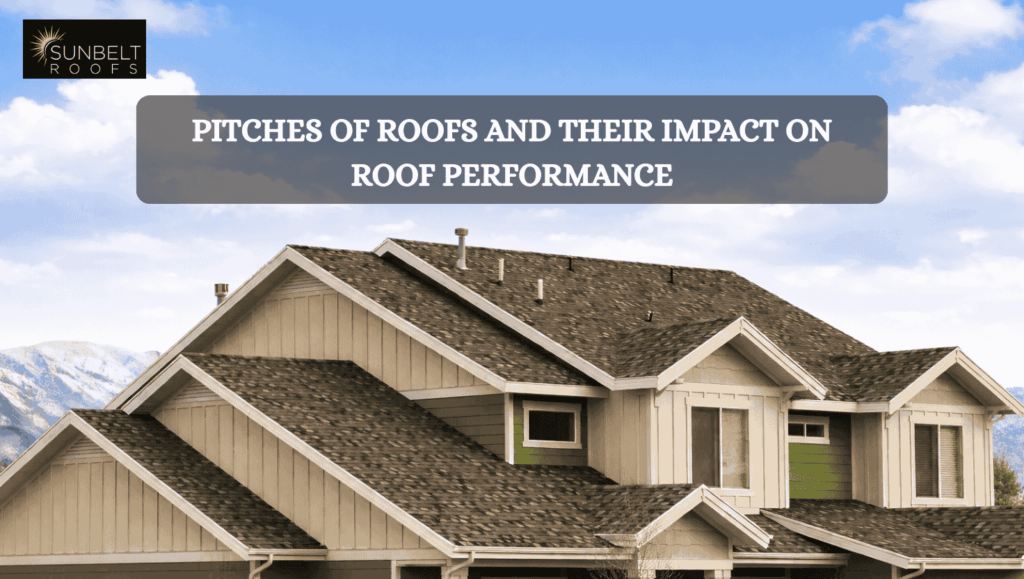
The pitches of roofs are relative to how durable the roof is going to be. It is an important factor in how the roof is able to withstand things like rain, wind, and long-term wear and tear. what are roof pitches without understanding roof pitches, you are going to end up with a roof that is going to underperform. In this blog, we help you understand pitch, how it affects performance, and how to choose the right one for your building.
What is a roof pitch, and why is it important?
Understanding What Roof Pitches Are
Beginning this blog, we will first know what are roof pitches for the best understanding of the concept. Roof pitch describes the steepness of a roof and is stated in the form of a ratio. For example, a pitch could be stated as 6:12. This ratio describes a 6-inch vertical rise over a 12-inch period of horizontal run. Pitches of roofs—the proper pitch—rain, snow, and other debris will slide out instead of sitting on them, making them less susceptible to water damage.
Why Roof Angle Affects Functionality
Pitches of roofs can impact how well the roofs overall function. A roof with a good angle can increase drainage, encourage ventilation, and lessen the stress on the structure. On the other hand, if the angle is poor, it can lead to water pooling, worsening material, and expensive repairs due to the added costs of maintenance.
What Different Roof Angles Mean
Roof Pitch Classifications
The pitch on roofs can be different pitches of roofs: low-slope, mid-slope, and steep-slope. Each gets more extreme and serves to accomplish different things with the angle of the roof. The different angles depend on a combination of climate, architectural design, and roof construction materials. which is why professional commercial roofing services focus heavily on pitch selection during planning.
Low-Slope Roof Pitches
Low-slope roofs can be seen in a number of modern and commercial buildings, and low-slope is a common roof pitch in modern design. These roofs can lead to drainage issues if not constructed with a solid waterproofing system and high-quality construction.
Medium-Slope Roof Pitches
Mid-slope roofs are the most common roof pitch seen in home construction. These pitches of roofs are the most versatile, as they are a balance between drainage and maintenance, performing well in almost any climate. A number of construction materials are also able to be used on them.
Roof Pitch Steep Slopes
Roof pitches with steep slopes commonly fall under the different pitches of roofs. They are found within regions that are subjected to heavy amounts of rainfall or snowfall. They help to minimize the problems caused by condensation and moisture by quickly shedding water and snow, which increases the architectural appeal of structures. On the other hand, if the angle is poor, it can lead to water pooling, worsening material, and expensive repairs—often making roof replacement services the most practical long-term solution.
Types of Roof Pitches Based on Structure
Structural Roof Pitch Styles
A few types of roof pitches are the result of the designing implementation of structures. Different configurations form each gable roof, hip roof, shed roof, and mansard roof. These designs serve the purpose of the functional and visual pitches of roofs that are utilized during construction.
Engineering Considerations
A selected types of roof pitches must take into consideration the distribution of structural loads, wind resistance and even the roof pitch of the structure’s ventilation. These elements result in the overall engineering factors of the roof’s stability, performance, safety and longevity.
Common Roof Pitch Choices for Residential Buildings
Popular Residential Options
A common roof pitch for homes typically ranges between 4:12 and 8:12. These slopes offer dependable drainage while remaining accessible for inspections and repairs.
Why These Roof Pitches Are Preferred
- Efficient rainwater and snow runoff
- Compatibility with most roofing materials
- Improved attic ventilation
- Reduced risk of leaks
- Better energy efficiency
- Easier maintenance and inspections
These advantages explain why builders frequently rely on these types of roof pitches for residential projects, especially when recommended by experienced roofing contractors in Diamondhead.
Pitched Roof Designs and Roof Performance
Functional Advantages
Designing and planning pitched roof designs can greatly maximize roof performance. Surfaces that are sloped can encourage faster draining and a decrease in moisture retention. Pitched roof designs can even help improve ventilation, which can help with the regulation of indoor climate, which can lead to lower energy expenses. Designing and planning pitched roof designs can greatly maximize roof performance by improving drainage, ventilation, and long-term durability. Many experts emphasize this approach when protecting homes from long-term weather exposure, as explained in Protecting Your Home with Expert Roofing Solutions.
Aesthetic and Structural Benefits
Adding a touch of visual design to a home can be a value added to the home and pitched roof designs are functional and help with the curb appeal of the home. They combine visually perceived strength with pitches of roofs and durable structural materials, providing a seamless transition from design to function.
How to Choose the Right Roof Pitch
Key Factors to Evaluate
Choosing the right pitches of roofs depends on several important considerations:
- Local climate and weather exposure
- Roofing material requirements
- Building structure and load capacity
- Accessibility for maintenance
- Long-term performance expectations
Considering these details will help ensure that the roof pitch achieves all of these requirements.
Frequently Asked Questions (FAQs)
1. What are roof pitches and how are they measured?
What are roof pitches refers to the slope of a roof measured as the vertical rise over a 12-inch horizontal run.
2. What is the most common roof pitch for homes?
A common roof pitch for residential buildings usually falls between 4:12 and 6:12, offering a balance of drainage, safety, and cost efficiency.
3. Do different pitches of roofs affect maintenance?
Yes, different pitches of roofs affect maintenance requirements, safety precautions, and accessibility, particularly for steeper slopes.
Conclusion
For roofs to perform to reliability and longevity expectations, the pitches of roofs must be understood. Homeowners and what are roof pitches to better decisions with the information about roof pitches and the different roles the various types of roof pitches serve. When the appropriate common roof pitch is chosen along with sufficiently pitched roof designs, better drainage, more durability, and overall roof performance for years to come are ensured.